Inveresk altars and a Pathhead brooch tell different stories of Roman Scotland
A National Museum of Scotland exhibition opening on 14 November brings together objects from a military settlement and evidence of local craftsmanship.
Two stone altars excavated in East Lothian and a bronze brooch found in Midlothian will go on display in Edinburgh from Saturday 14 November. Both feature in Roman Scotland: Life on the Edge of Empire, an exhibition at the National Museum of Scotland running until 18 April 2027. The objects come from different settings and give the exhibition two ways to approach the effects of Roman occupation.
A temple beside a military settlement
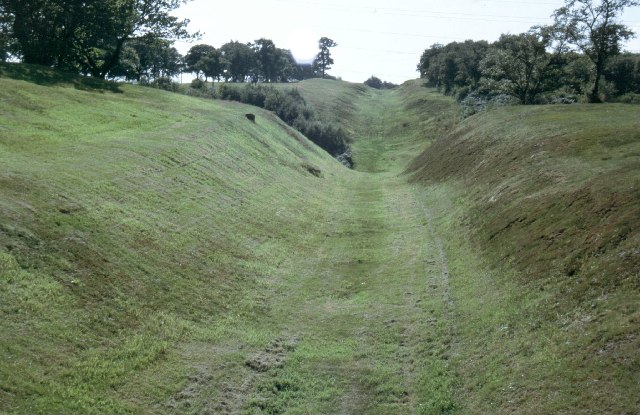
The altars come from a temple to Mithras at Inveresk, where the museum says a civilian town developed around a second-century fort. The base formed part of a system of fortifications extending beyond the Antonine Wall itself. According to the museum, the finds at Inveresk help explain how the settlement drew supplies from across the empire and how people lived around the military presence.
The stones survived in fragments. The museum says conservation work prepared them for their first display and revealed remnants of paint on the carved surfaces. That detail offers a different way to imagine the original interior. A visitor encountering the stone today can consider how colour would have shaped the appearance of the temple while it was in use.
A design that travelled
The brooch tells a smaller story. The museum says it was found near Pathhead in 2022 and was probably made in northern England. It combines elements of Roman brooches with local design choices. Its place of discovery and likely place of manufacture are separate pieces of evidence, suggesting that the journey of an everyday object can be part of the history of a frontier.
The exhibition also drew coverage on 12 November for the Mislington bronze leg, which the Guardian reported was being reconsidered by curators as part of a statue likely erected in the Scottish Borders. That interpretation concerns where the statue originally stood, a different question from where the surviving fragment was found.
Analysis — what objects can show about occupation
A fort establishes a military presence. A temple and a piece of jewellery can begin to show what people did within and around that presence. The altars invite questions about the beliefs carried into a settlement. The brooch opens a question about which imported styles makers chose to adopt and which details they chose to change.
Seen together, the objects offer a way to consider occupation at different scales. The imperial frontier shaped where people could move and where soldiers were stationed. The material they left behind also records decisions about worship, craft and dress. The exhibition gives visitors a chance to see how those decisions can be studied alongside the walls and forts that usually define the story.