Councils should tell residents what happens after they report a pothole
Road maintenance reports help show where public money goes. A clear status on individual reports would help residents understand what happens on their own street.
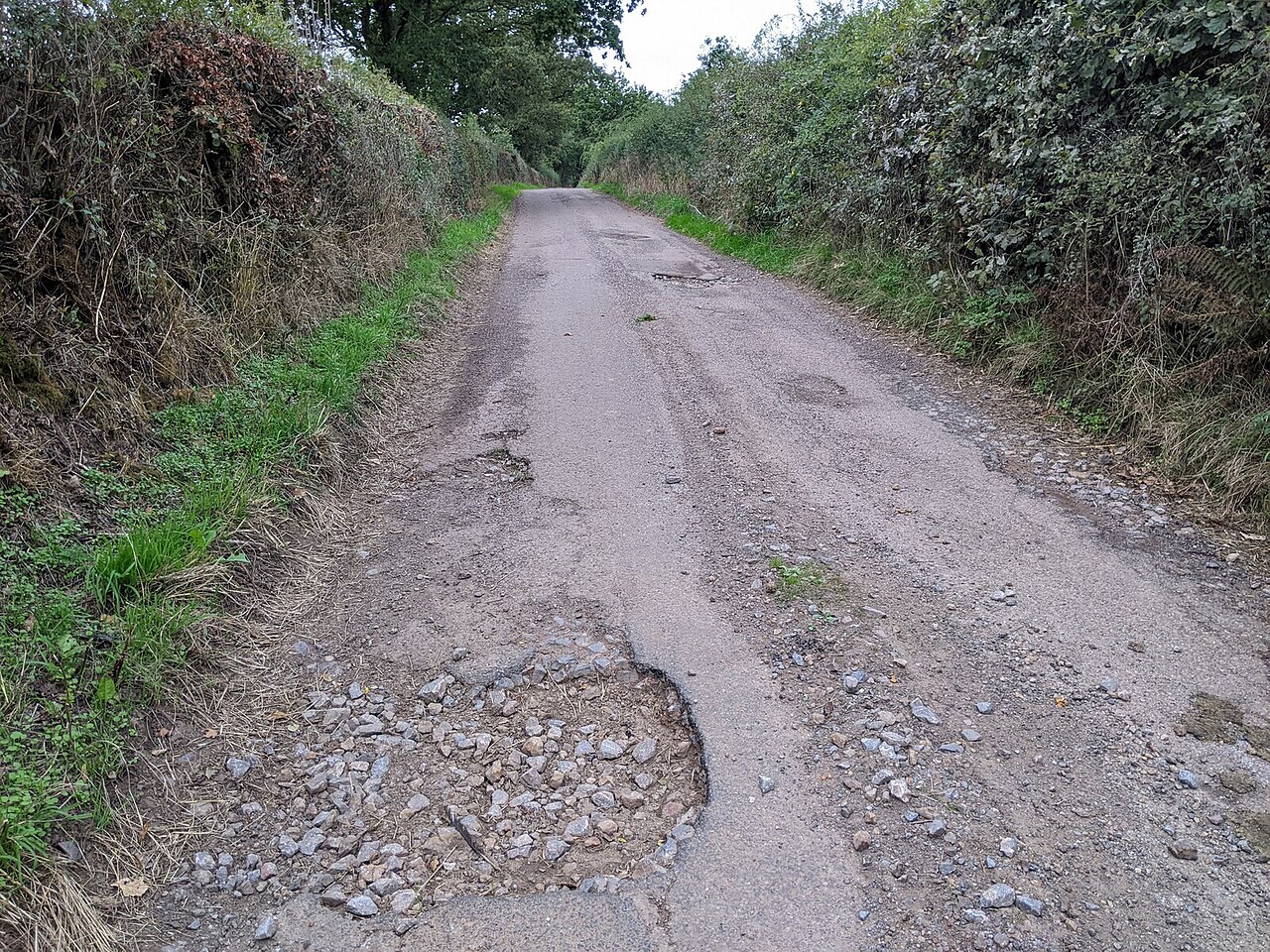
Opinion
When a resident reports a pothole, a receipt confirms that somebody has collected the information. The part that matters comes later. Has the road been inspected? Is the defect a priority? Will it be dealt with when a wider resurfacing scheme comes through? Councils should make the answers visible using the reference number they already give residents.
England’s Department for Transport issued new reporting requirements for local highway authorities in June 2026 and said it wanted more emphasis on preventive maintenance. In October, it said nearly 7,000 miles of resurfacing were expected during the year. That national figure can help the public judge the scale of planned work. It cannot answer what has happened to the hole somebody reported on their route to school.
Show the decision and the reason
A useful status would tell the resident whether a report is awaiting inspection, has been assessed, is scheduled for work or has been closed. It should give the reason for closure and note when an older report has been merged with a newer one. A council could link a larger resurfacing programme where that explains the timing, and distinguish an estimated period from a confirmed date.
There is a legitimate reason to be cautious about promising a repair date. Conditions can change and a more urgent defect can take priority. The public can still be told that a decision is pending, when it was last reviewed and how to flag a material change. A clear explanation is especially valuable where a defect looks severe to a resident and an inspector reaches a different conclusion.
The National Audit Office’s 2024 report found that the Department for Transport lacked a good enough understanding of road condition and had limited evidence about the effect of funding. Local status information is a smaller, complementary change. It would give residents a record of how a specific report was handled, and could help councils see which streets generate repeat reports.
There is a sensible privacy boundary. A public status can show the street, the stage of the work and the authority’s reason for its decision without displaying who reported it. People could use a private reference for any correspondence that contains personal information.
The standard should be easy to test. Give a resident a reference number, then see whether they can find the latest decision without calling the council. If they can see what happened, who is responsible for the next step and when the status was updated, the service has answered the question that prompted the report in the first place.