NASA opens astronaut applications as it prepares for more lunar missions
Applications are open until 3 December. NASA’s recruitment timetable shows how far the process extends beyond the closing date.
NASA has opened applications for its next astronaut class as the agency prepares for more ambitious work on and around the Moon. The window runs until 11.59pm US Eastern Standard Time on Thursday 3 December 2026. The class will begin with training on Earth, with final selection expected in late 2027, according to NASA’s announcement on 7 November.
The agency’s tentative calendar makes the scale of the selection process clear. It expects to review applications between December 2026 and April 2027, bring initial interviewees to Johnson Space Center in spring and hold final interviews and assessments in summer. Selected candidates are due to report in the winter of 2027–28.
The work behind the lunar ambitions
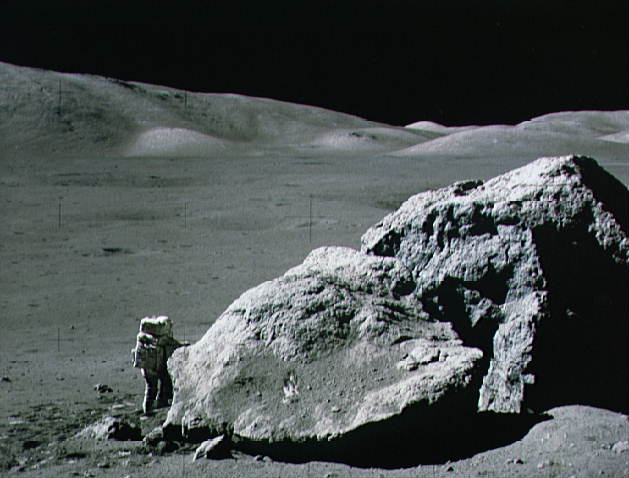
NASA says the recruits could eventually work on lunar surface operations and contribute to systems that might later support crewed Mars missions. It names spacewalking, lunar geology and high-performance aircraft operations among the subjects the candidates will study. Associated Press reported the recruitment as part of the broader Artemis programme and the agency’s preparations for a return to the lunar surface.
The announcement asks for US citizenship, relevant technical or professional qualifications and experience, and the ability to pass the agency’s long-duration spaceflight physical. NASA lists more than one educational route, including certain doctoral studies and test pilot training. The agency also looks for communication, leadership and teamwork, reflecting the range of tasks astronauts may have to perform together.
Analysis — a recruitment timetable is part of mission planning
A spacecraft programme needs people able to operate equipment, notice problems and record observations in conditions that are difficult to reproduce. That is why geological fieldwork and emergency practice belong in the same training plan. At a lunar site, deciding which sample to collect can sit alongside decisions about communications, suit time and how far the crew can safely travel.
The long lead time gives NASA room to develop those skills before mission assignments are settled. It also means the agency is selecting people whose work may continue through changes to vehicle schedules and scientific priorities. A candidate could contribute to testing and preparation for a mission well before being considered for a seat on one.
For the immediate recruitment round, the dated milestones are the application deadline and the proposed selection and reporting windows. The mission assignments and flight dates for individual recruits will come later. The distinction is useful because the announcement is a decision to build a workforce for future exploration, with several stages of evaluation and preparation still to follow.