A rescue for Scotland’s rare wintergreen took the soil along too
Conservationists moved 3,400 plants away from an eroding shore in Moray. Monitoring will show whether they can establish themselves in their new ground.
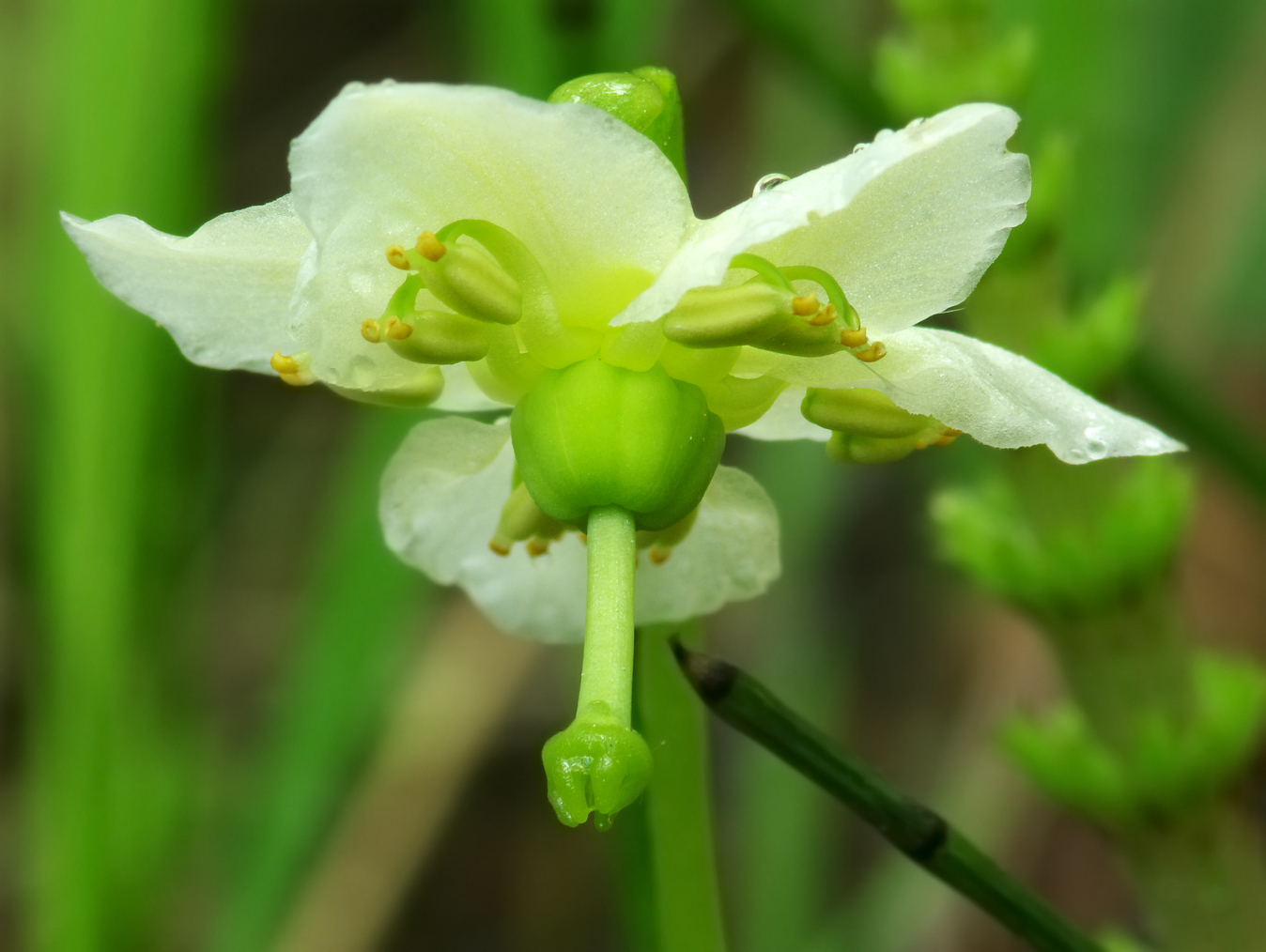
The most important part of a wildflower rescue in Moray may be the part that was underground. In an announcement on 10 November, Plantlife Scotland said it had worked with Forestry and Land Scotland, NatureScot and volunteers to move 3,400 one-flowered wintergreen plants away from the eroding shoreline at Culbin Forest. The team lifted sections of soil with the plants to preserve the fungi they rely on.
Plantlife estimates that the species has lost more than half its UK population in 50 years. In Britain it is confined to pine woods in north-east Scotland. The charity says it persists at seven Scottish sites, of which only three support healthy populations. At Culbin, an estimated two to three metres of land had collapsed into the sea over recent years, putting plants along the shore at risk.
Moving a piece of woodland
One-flowered wintergreen can draw energy from fungi as well as producing it through photosynthesis, according to Plantlife. The fungal association also matters for germination. Taking intact sections of soil was therefore part of the rescue design. The project followed a smaller trial, and the Guardian independently reported the relocation and the threat from erosion on 11 November.
The coast accounts for the immediate danger at Culbin. Plantlife identifies other pressures on the species, including changes in forest management and drier conditions that affect woodland soil moisture. Those pressures help explain why a move within one forest can be worthwhile while the wider work of maintaining suitable woodland continues.
Analysis — what the next counts can tell us
The number moved describes the scale of the operation. A later count of surviving plants will answer a different question about the receiving site. Even a promising first count will leave open whether the population can produce new plants and expand. Keeping those measures distinct gives readers a way to assess the project over time.
The soil transfer also makes the site itself worth watching. Plants that establish in one patch and struggle in another could give the team a reason to examine differences in shade or moisture. Those observations would help narrow the questions for the next trial.
Plantlife says the team will revisit the plants over the coming months and years, with first-year survival among the early indicators and reproduction a longer-term sign. The work may also inform whether moving established plants or using seed is the better approach for future efforts. That makes monitoring part of the intervention itself. A record of where plants establish and where they struggle can guide the next choice of ground, especially when there are so few sites left to learn from.