UK sets out £200m infrastructure commitment at COP31
The four-year commitment announced in Antalya aims to attract private capital for climate-resilient infrastructure in emerging economies across Africa and Asia.
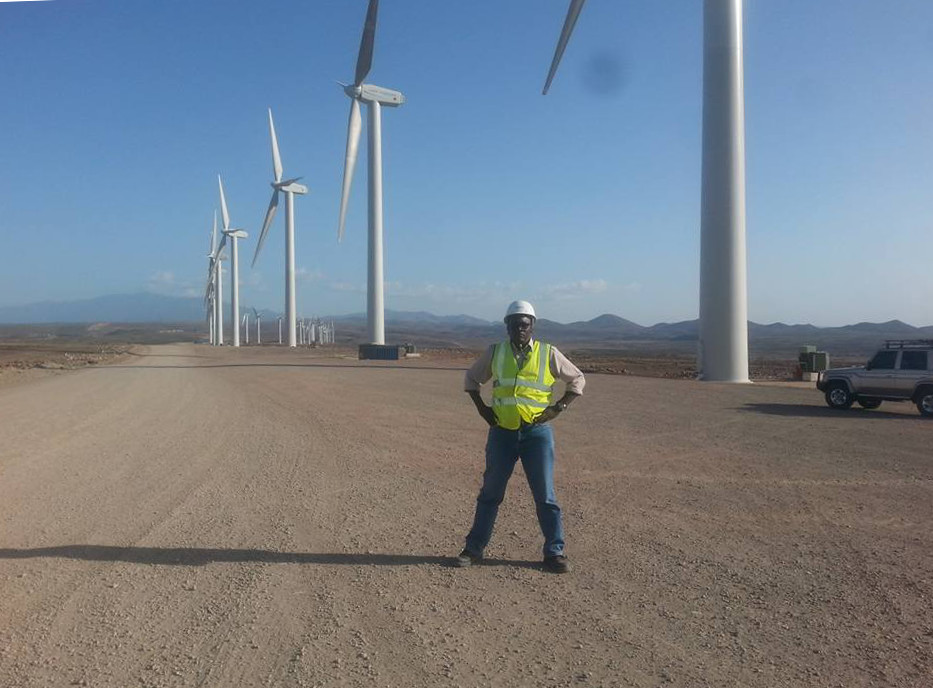
The UK announced a £200 million investment over four years at COP31 on 11 November, to be channelled through the Private Infrastructure Development Group. Foreign Secretary Ed Miliband said the commitment would support climate-resilient infrastructure in emerging economies across Africa and Asia and help attract private investment. He set out the plan at a summit on clean energy and electrification in Antalya, Türkiye.
The published speech puts the private capital that could be mobilised at an estimated $1 billion a year. That estimate describes the government's expectation for investment the programme could help bring in. The £200 million is the UK's announced contribution, spread over four years. The speech gives an overall commitment without a schedule of individual projects or their financing terms.
Energy dependence enters the security debate
Miliband linked fossil fuel dependence to vulnerability to price swings during geopolitical conflict. He also put food supplies, infrastructure and displacement in the frame of national security. The Guardian covered the foreign secretary’s security argument on 11 November, when it appeared in the newspaper’s Environment most-read list.
The announcement came as the first part of the COP31 high-level segment opened. The UN climate convention’s programme set aside 11 and 12 November for leaders’ statements and events in Antalya, with further statements scheduled for 17 and 18 November. The UK commitment was announced by the UK at the separate electrification event. Decisions agreed through the wider negotiations follow their own process.
Analysis — how to assess the commitment
A headline about private capital says how much investment a programme aims to mobilise. It says less about which infrastructure will be built or how it will withstand climate hazards. A project might make financial sense on paper and still depend on choices about location, engineering and maintenance. Those choices determine whether an asset remains usable when it is under stress.
There is a second distinction between money announced, money committed to a particular project and money actually spent. A future financing agreement can establish how lenders and governments divide the risks. Construction and operation then provide evidence about delivery. Reporting these stages separately would make it easier to judge what the UK contribution has changed.
For now, the speech establishes a funding commitment, a route for delivering it and an estimate of the private capital it could help attract. The next evidence will come from the projects selected, the sums that other investors put in and the terms on which they participate. Those details will show which infrastructure the commitment supports and how its resilience can be assessed.